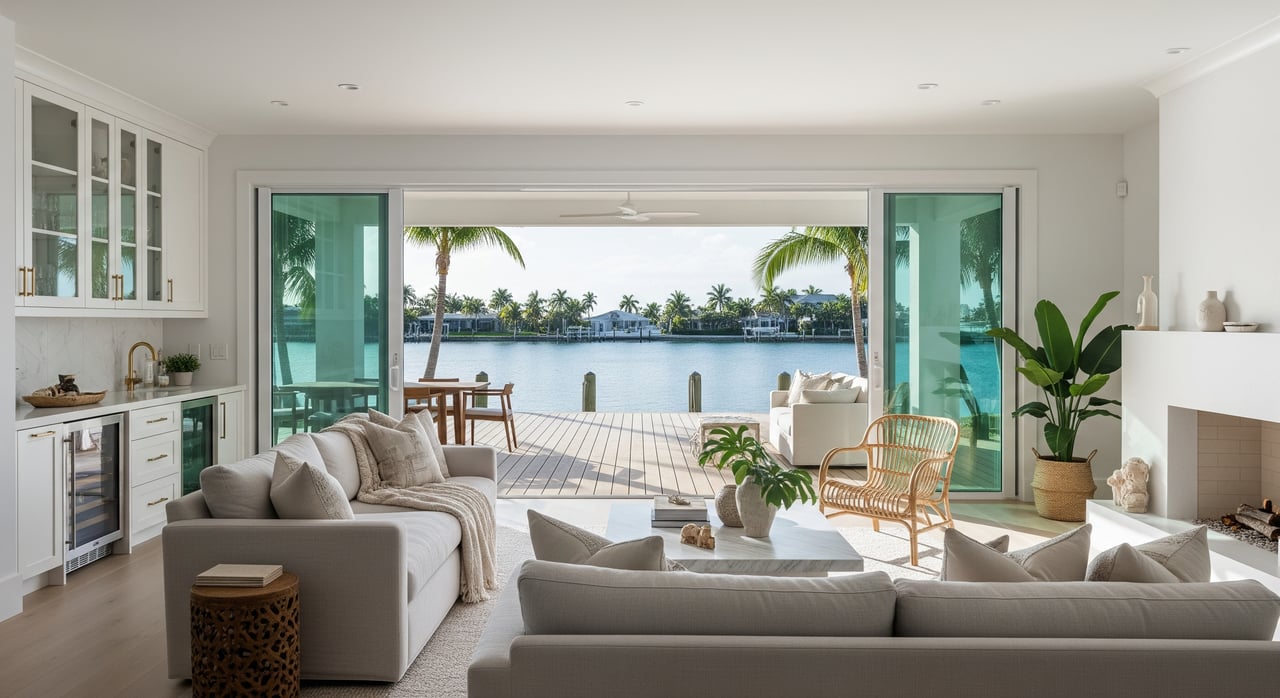
Is your view doing the heavy lifting, or is your staging holding it back? In Melbourne Beach, buyers pay a premium for water, horizon, and an easy coastal lifestyle. If you are preparing to list your waterfront home, you want every choice to highlight the view, privacy, outdoor living, and storm-ready confidence. This guide gives you a clear, local game plan to stage, photograph, and present your property for a top-dollar launch. Let’s dive in.
Why Melbourne Beach waterfront is unique
Melbourne Beach sits on a barrier island in Brevard County with homes that face the Atlantic Ocean, the Indian River Lagoon, or both. Value often hinges on view corridors, beach width, and boating access. Features like dune systems, seawalls, fixed or floating docks, boat lifts, elevation, and proximity to inlets or marinas all matter.
Your likely buyer could be a local homeowner, a second-home or seasonal buyer, or an investor. Staging should reflect that mix. Second-home buyers love turnkey lifestyle cues. Local buyers and investors often ask about maintenance, storm readiness, and flood risk. Your job is to showcase the lifestyle and provide the confidence.
Staging goals for top-dollar results
- Maximize sightlines to the water from every main room.
- Convey lifestyle and low-effort ownership with durable, coastal-grade finishes.
- Demonstrate boating and outdoor living ease with defined outdoor “rooms.”
- Show hurricane and flood readiness without alarm.
- Reduce visual noise and anything that suggests high maintenance.
Interior staging to showcase the water
Arrange for view-first living
- Aim furniture toward the water in your living room, primary suite, and any view-facing space.
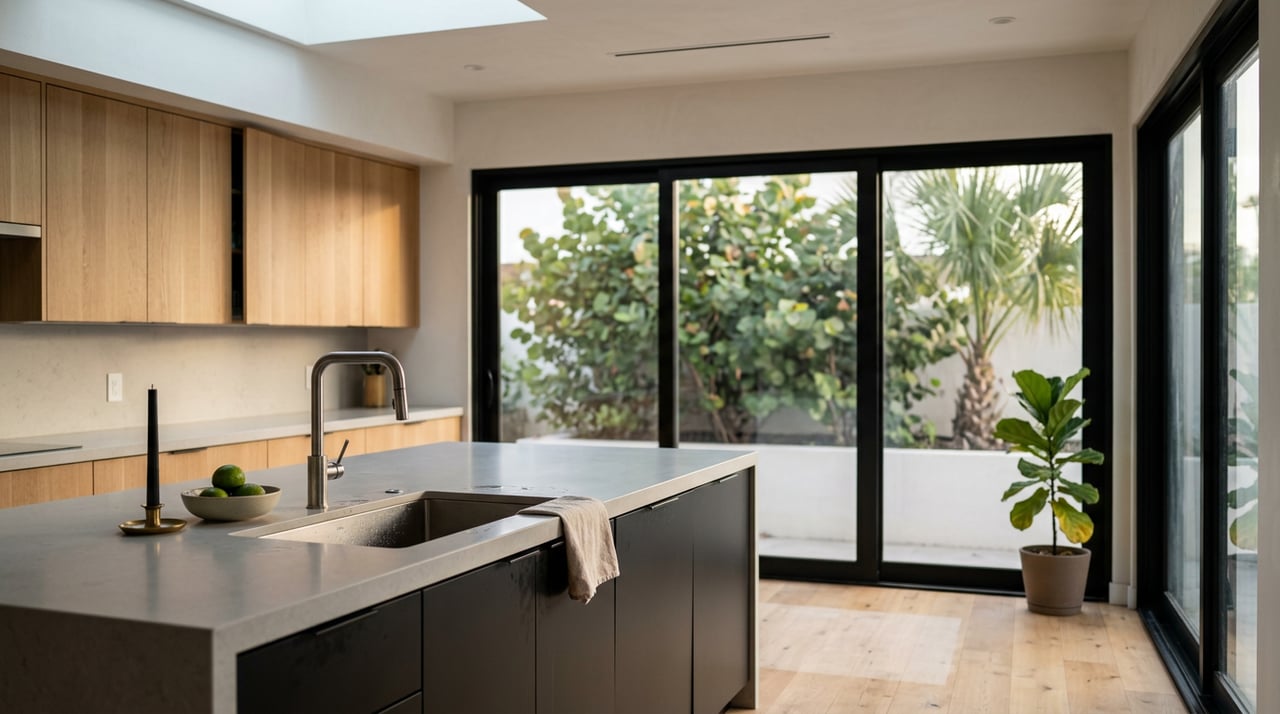
- Use low-profile sofas and leggy or glass tables to keep sightlines clear.
- Create a straight, uncluttered path from entry to the water view so the horizon becomes the focal point the moment a buyer enters.
Colors, textures, and finishes
- Stick to neutral, light-reflecting palettes like soft whites, sandy beiges, and warm grays that amplify daylight.
- Layer textures such as linen, jute, and light woods to suggest coastal living without resorting to theme décor.
Windows and doors
- Remove heavy drapes. Choose light-filtering panels or motorized shades that stack fully clear of the glass.
- Clean glass, tracks, and hardware. Replace failed seals or sashes that fog the view.
Durable, low-maintenance materials
- Favor teak or marine-grade woods, stainless or anodized hardware, and performance fabrics like acrylics for upholstery.
- Swap plush carpets in salt and sand zones for washable rugs.
Lighting and ambience
- Embrace natural light. Supplement with warm LEDs at 2700–3000K for a welcoming glow.
- For photos and showings, set even brightness across rooms to avoid dark corners.
De-personalize and declutter
- Remove personal photos, busy art, and excess beach gear.
- Keep a few lifestyle accents, like a styled tray on a lanai table or a pair of rolled towels by the pool, used sparingly.
Outdoor and waterfront staging that sells
Frame, do not block, the water
- Orient outdoor seating toward the shoreline, dock, or horizon.
- Choose low-profile sectionals and loungers that do not interrupt the view from inside.
Define outdoor “rooms”
- Create three zones: lounge, dining, and cooking. A simple outdoor rug, lanterns, and a styled dining setup signal a ready-to-enjoy lifestyle.
- Add a twilight vignette with soft string lights or LED lanterns and a tidy firepit arrangement to showcase evening entertaining.
Dock, seawall, and lift presentation
- Clean decking and remove algae, debris, and clutter. Coil lines and store hoses neatly.
- If you have a boat lift, confirm it operates smoothly and looks maintained. If storage is included, stage racks or shelving to look organized and safe.
Landscape and dunes
- Power-wash exterior surfaces and treat any mildew.
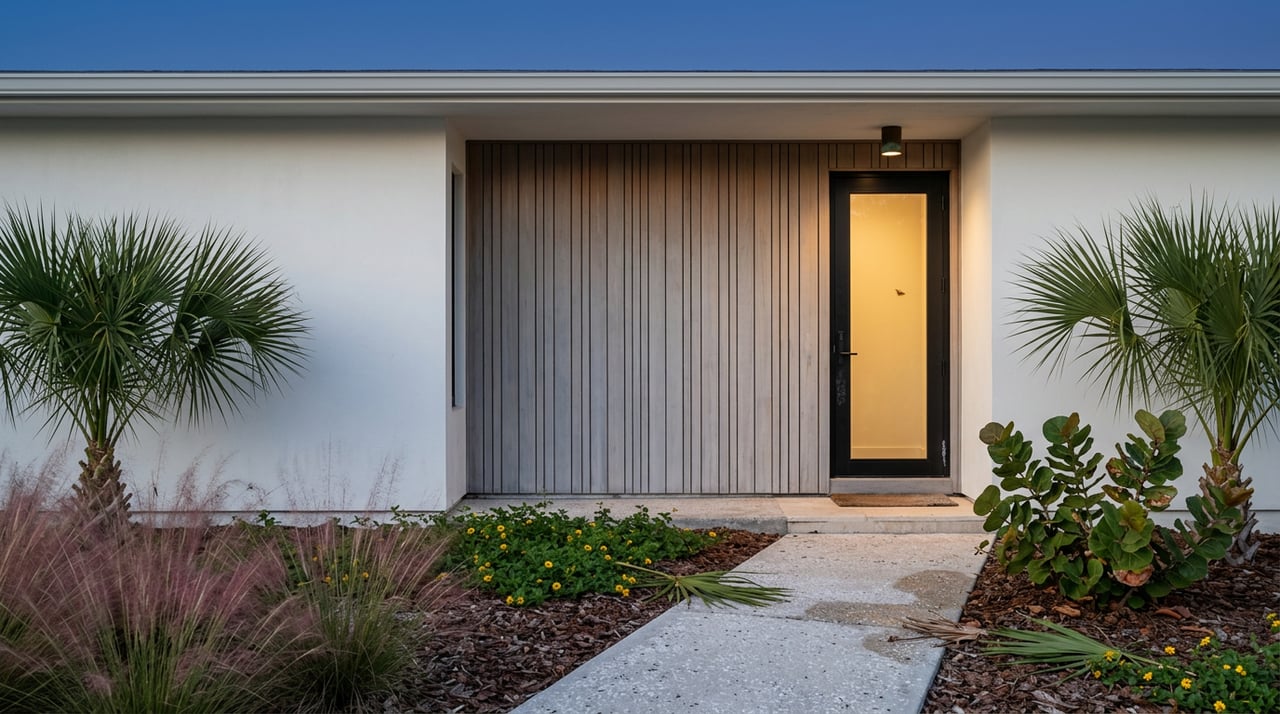
- Refresh salt-tolerant plantings for crisp curb appeal.
- Preserve natural dune vegetation where present. If you completed dune restoration or protective work, keep documentation available.
Hurricane readiness without alarm
- Show how shutters or panels store and operate, but keep them open during showings.
- If you have impact glass, note it in your property details and media captions.
Operations and maintenance that inspire confidence
- Create a neat “operations binder” or secure digital file with maintenance logs, warranties, elevation certificates if available, permit copies, and recent service records for docks, lifts, pool, and irrigation.
- Provide simple instructions for operating the dock lift, pool features, generator, and irrigation zones. Keep these clear and concise.
- Stage a clean “boat and gear” area with racks for kayaks, life vests, paddles, and fenders.
Visual media plan for premium impact
High-end visuals are critical for waterfront listings. Pair the right staging with a professional media plan to capture every advantage.
Photo shot list to request
- Aerial establishing image that shows ocean or lagoon position in context.
- Front exterior to show approach and curb appeal.
- Primary water-facing exterior that highlights beach, dunes, seawall, or dock.
- Twilight exteriors with all lights on to create emotional pull.
- Dock and boat lift close-ups that suggest functional boating access.
- Pool, patio, and outdoor kitchen lifestyle vignettes.
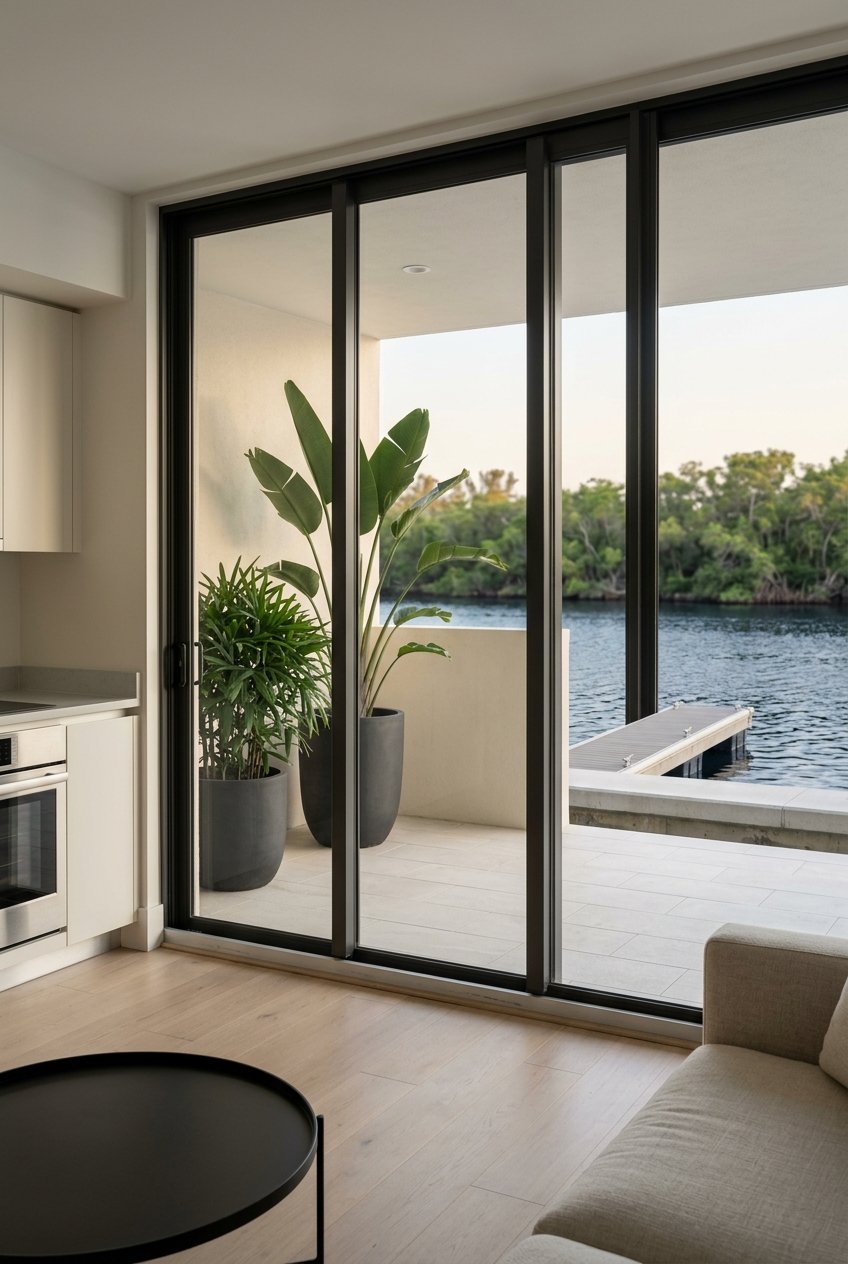
- Interior wide shots of main rooms that include the water view.
- Detail images of high-end finishes, spa baths, cabinetry, and storage.
- Flow shots that show how rooms connect to lanais, decks, and the water.
Why twilight photos matter
- Schedule 15 to 30 minutes after local sunset for sky color with lights visible.
- Turn on all exterior lights and interior lights facing the water.
- Ensure pool, water features, and any string lights are clean and operating.
Drone and aerials
- Hire an FAA Part 107 licensed pilot for commercial flights. Confirm any HOA or local restrictions and respect privacy and nesting seasons.
- Capture a high oblique to show the lot and its relationship to water, a straight-down site image for shape and setbacks, and approach shots from the water that feature the seawall or dock.
Video strategy that converts
- Short cinematic reel, 60 to 90 seconds: start with aerials, then twilight exteriors, interior highlights that showcase view lines, and finish on the horizon.
- Longer walkthrough, 3 to 5 minutes: slower pacing with captions or narration to explain room flow, hurricane protections, and docking features.
- Use licensed music and add captions for autoplay on social platforms.
Compliance and disclosures for coastal listings
- Flood risk: Much of the barrier island falls within FEMA flood zones. Be ready with elevation certificates and flood insurance details when applicable.
- Shoreline structures: Docks and seawalls often require permits from Brevard County and the Florida Department of Environmental Protection. Keep permit histories and maintenance records available.
- Hurricane and wind code: Coastal homes follow the Florida Building Code with wind-borne debris requirements. Note any impact glazing, shutters, or structural upgrades.
- Drone use: Commercial aerials must follow FAA rules. Coordinate with a licensed pilot and address privacy and HOA guidelines before flying.
Step-by-step launch checklist
- Define your target buyer profile and key objectives for the sale.
- Order inspections as needed, including roof, HVAC, marine structures, and pest. Gather documentation.
- Verify your flood zone and elevation certificate status for disclosure.
- Collect permits and records for seawalls, docks, and major modifications.
- Hire a staging consultant with coastal experience and approve a room-by-room plan.
- Schedule professional photography, drone work, and a twilight session.
- Clean and repair: power-wash, treat mildew, clean windows, service pool and dock equipment.
- Implement staging: maximize view lines, define outdoor rooms, and set lighting scenes.
- Build your seller binder with maintenance logs, warranties, permits, and insurance info.
- Plan open houses and shoots around tides, sunrise or sunset orientation, and weather.
Timeline and cost guidance
- Minor cleaning, staging tweaks, and photography typically take 1 to 2 weeks.
- Moderate staging, repairs, dock service, paint, and landscape refresh often take 2 to 6 weeks.
- Larger renovations or permit work can take months, so coordinate with your marketing timeline.
Approximate costs vary by home and vendor. Expect a modest fee for a staging consultation, with full professional staging ranging from several thousand dollars to higher five figures for large luxury homes. Premium photography and aerials cost more when twilight and advanced video are included. Marine servicing, power washing, and landscaping are condition-dependent, so obtain local quotes.
Buyer psychology and how staging responds
- Escape and lifestyle: Outdoor rooms that are furnished and photo-ready help buyers picture an immediate, relaxing lifestyle.
- View and horizon: Unobstructed sightlines signal value. Low-profile furniture and clean glass keep eyes on the water.
- Safety and permanence: Organized records and hurricane-ready features reduce risk concerns.
- Turnkey ownership: Durable materials, neat systems, and clear manuals suggest low effort.
- Status and exclusivity: High-quality finishes and polished media create a premium perception that supports price.
- Boating functionality: Clean, well-lit dock and lift visuals confirm ease of use.
Ready to capture top dollar?
A strong Melbourne Beach launch is not about adding more décor. It is about simplifying, framing the water, and proving the home is easy to enjoy and maintain. With a focused staging plan, confident documentation, and premium media, you can elevate your home above competing listings and meet the buyers who value your shoreline most.
If you want a tailored plan for your address, connect with Anthony Romero for concierge staging and marketing guidance backed by local expertise and global reach.
FAQs
How should I stage a Melbourne Beach oceanfront living room?
- Aim seating toward the horizon, use low-profile pieces, clear walkways to windows, and remove heavy drapes to keep sightlines open.
What flood documents will buyers expect for a barrier island home?
- Buyers often ask for the flood zone designation, any elevation certificate, and current or prior flood insurance information when applicable.
Do I need permits on hand for my dock or seawall when listing?
- It helps to provide permit histories and maintenance records for docks and seawalls, since shoreline structures are material to value and buyer confidence.
What are the rules for using drones to market my home?
- Commercial drone flights must follow FAA regulations. Work with a licensed Part 107 pilot and honor HOA and privacy guidelines.
When should I schedule twilight photos for best results?
- Plan the shoot about 15 to 30 minutes after sunset, with all interior and exterior lights on and water features operating.
How do I show hurricane readiness without scaring buyers?
- Keep shutters open for showings, neatly display how protection systems store and operate, and document impact glass or upgrades in your property details.